 Skip to content
Letting go journal prompts are writing exercises designed to help you process difficult emotions, release attachments to people, experiences, or outcomes, and create space for emotional healing. Use these 50 prompts to work through grief, regret, and the things you cannot change.
How to Use Letting Go Journal Prompts
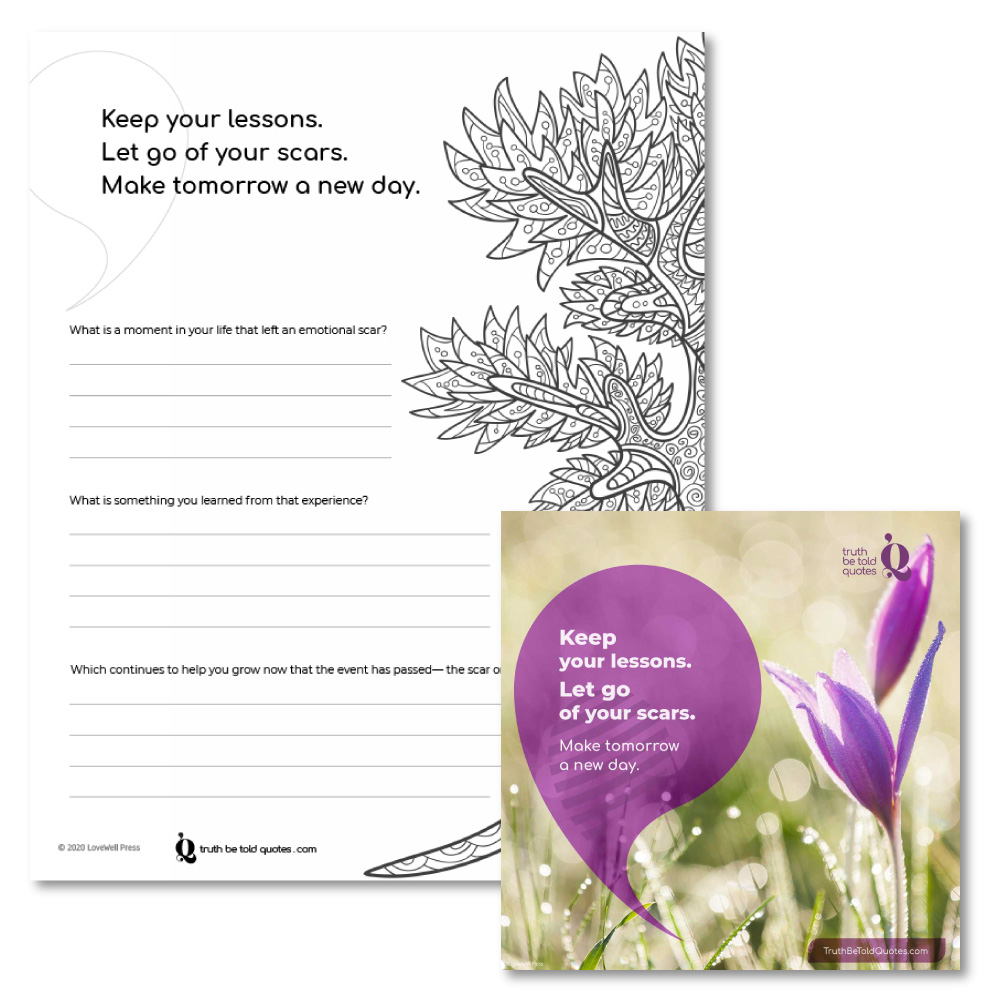
These prompts work best when you approach them with honesty. There are no wrong answers. Write for 10–20 minutes per prompt, or until you feel a natural stopping point.
- Start with easier prompts if you are new to emotional journaling
- Be honest — no one else needs to read what you write
- Don’t rush — some prompts will take one session, others may require multiple entries
- Notice physical responses — crying, tension, or relief are all valid reactions
- Close each session gently — step away, take a walk, or drink water before starting another activity
50 Letting Go Journal Prompts
Letting Go of People
- Write a letter to someone you need to forgive (you don’t have to send it).
- Describe a relationship that ended and what you learned from it.
- What do you miss about someone you no longer speak to? What don’t you miss?
- Write about a person who hurt you. What would it take for you to stop carrying that pain?
- If you could have one conversation with someone you’ve lost touch with, what would you say — and why do you need to say it?
- Write about a time you let someone down. What would you do differently now?
- Describe the moment you realized a relationship was over. What did it feel like in your body?
- What does it mean to you to forgive someone who hasn’t apologized?
Letting Go of Regret
- Write about a decision you regret. What would your life look like if you had chosen differently? Is that version truly better?
- Describe a time things went wrong in a way you couldn’t control. What would you tell yourself about that moment?
- What is the hardest thing you’ve had to accept about your own past?
- Write about a missed opportunity. What did it teach you that you’ve carried since?
- If regret had a shape, what would yours look like? Describe it in detail.
- Write a letter to your younger self on the day of their biggest regret.
Letting Go of Control
- What is one thing you are trying to control that you cannot? What would it mean to accept that?
- Describe the worst-case scenario you are afraid of. What is the actual likelihood of it happening?
- Write about a time when letting go of control led to something better than you planned.
- What would your life look like if you didn’t try to protect everyone in it?
- Write a list of things that are genuinely out of your control. Then write a list of things that are. Compare them.
Letting Go of Identity
- What version of yourself are you holding onto that no longer serves you?
- Describe yourself from the perspective of someone who knows you well. What would surprise you?
- Write about a time you changed and no longer recognized yourself. Was it growth or loss?
- If you could choose one trait to let go of forever, what would it be and why?
- Write about the gap between who you are and who you thought you’d be. Is that gap a problem, or just a story?
Letting Go of the Past
- Describe a place you used to go when you needed to feel safe. Can you still go there, even in your mind?
- What is one memory you revisit when you are feeling stuck? What does it do for you?
- Write about a time you thought you would never get through something — and then you did.
- If the past could speak to you, what would it say about letting go?
Letting Go of Fear
- What are you most afraid of losing? What would you do if it was already lost?
- Describe a fear you conquered. How did you know the moment it stopped controlling you?
- Write about a fear that you have carried since childhood. Is it still serving you?
- What would you do right now if fear were not a factor?
Letting Go of Expectations
- What expectation are you carrying that you didn’t choose for yourself?
- Write about a time when something disappointing led somewhere unexpected and better.
- If your life had no predetermined path, what would you do next?
- Describe the story you tell yourself about how your life should look. Who wrote that story?
Frequently Asked Questions
Does journaling actually help with letting go?
Research in expressive writing suggests that writing about emotional experiences helps people process difficult feelings, gain perspective, and reduce rumination. The act of putting thoughts on paper forces clarity and creates distance from the emotion itself.
How often should I use letting go journal prompts?
There is no fixed schedule. Some people benefit from daily journaling, while others find value in using these prompts when a specific emotional challenge arises. Let the prompts come to you when you feel stuck, overwhelmed, or unable to move forward.
Can I share my letting go journal?
It’s your journal, and you can do whatever you want with it. Some people find value in sharing specific entries with trusted friends or therapists. Others prefer to keep their writing private. There is no wrong choice.
Related Resources
If you’re working through emotional processing, explore our daily reflection prompts for ongoing journaling practice and dream journaling guide for subconscious exploration.